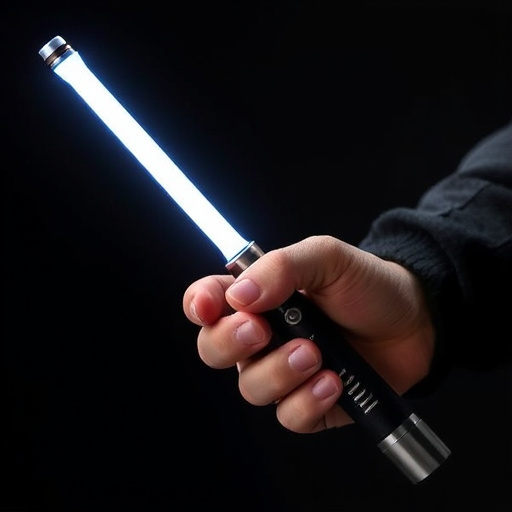
The self-defense telescoping baton is a powerful crowd control tool, offering both versatility and effectiveness for law enforcement and security. Its unique extending design enables quick creation of buffer zones and visual deterrents in diverse scenarios, from open spaces to crowded events. Proper training, strategic use, and legal adherence are crucial to ensure safe and responsible deployment, making it an indispensable asset for maintaining public safety while respecting legal guidelines.
“Uncover the power of tactical batons as a crucial tool for crowd control in high-pressure situations. This comprehensive guide explores the art of utilizing self-defense telescoping batons, offering insights into their effectiveness and safety. From understanding the equipment to mastering self-defense techniques, we navigate through strategic deployment during crowded events. Additionally, we delve into essential safety considerations and legal implications, ensuring professionals are equipped with knowledge beyond the baton’s reach. Embrace a proactive approach to crowd control with our tactical baton crowd control procedures.”
- Understanding Tactical Batons for Crowd Control
- Self-Defense Techniques with the Telescoping Baton
- Effective Deployment Strategies During Crowded Events
- Safety Considerations and Legal Implications
Understanding Tactical Batons for Crowd Control
Tactical batons, particularly self-defense telescoping batons, are powerful tools for crowd control and public safety. Designed for law enforcement officers and security personnel, these specialized weapons offer a balance between force and control. The telescoping design allows for easy storage when not in use and rapid deployment during chaotic situations, making them versatile and efficient for managing crowds.
These batons differ from traditional self-defense tools in their ability to extend and lock into place, providing additional reach and impact. This feature is crucial in crowded spaces where direct physical contact may be challenging or dangerous. Officers can use tactical batons to create a buffer zone, deter aggressive individuals, and control the flow of people, ensuring the safety of both civilians and enforcement personnel.
Self-Defense Techniques with the Telescoping Baton
The telescoping baton, a versatile tool, doubles as an effective self-defense mechanism when crowd control becomes necessary. Its lightweight design and easy extensibility make it a swift response tool in close quarters. Users can rapidly deploy the baton to create distance between themselves and potential threats, providing both space and time to assess the situation.
This tactical weapon allows for various strikes and blocks, making it suitable for diverse scenarios. From lateral thrusts to powerful overhead swings, the self-defense telescoping baton enables individuals to defend against attackers with precision and force. Proper training is essential to ensure safe and effective use, empowering users to protect themselves in challenging crowd control situations.
Effective Deployment Strategies During Crowded Events
During crowded events, effective crowd control is paramount for ensuring safety and maintaining order. Law enforcement and security personnel play a crucial role in managing large gatherings, especially when potential risks are high. One essential tool in their arsenal is the self-defense telescoping baton. This tactical device offers a versatile solution for crowd management due to its compact design, allowing for easy carriage and swift deployment.
For optimal deployment strategies, officers should consider the event’s nature and anticipated crowd behavior. In open spaces or wide streets, a dynamic approach using rapid baton extensions can create a visual deterrent, enabling quick responses to any disruptive elements within the crowd. Conversely, in confined areas like narrow alleys or indoor venues, more subtle movements and strategic positioning are key. The telescoping baton’s versatility enables officers to adapt their tactics accordingly, ensuring a safe and controlled environment for all attendees.
Safety Considerations and Legal Implications
When employing tactical baton crowd control procedures, safety is paramount. It’s crucial to ensure that all personnel are adequately trained in the proper use of self-defense telescoping batons to prevent accidental harm to bystanders or fellow officers. The force applied should be reasonable and proportionate to the threat, with a focus on de-escalation techniques to avoid escalating situations. Regular maintenance and inspection of equipment is essential to guarantee functionality and safety.
Legally, the use of force, including self-defense batons, is subject to specific guidelines and regulations that vary by jurisdiction. Officers must be aware of their rights and responsibilities under these laws to ensure compliance and protect themselves from potential legal implications. Understanding the limitations and boundaries of crowd control tactics, such as when and where batons can be deployed, is critical to avoiding misconduct charges and maintaining public trust.
In conclusion, understanding tactical batons, particularly the self-defense capabilities of a telescoping baton, is an essential tool for crowd control in various events. Mastering deployment strategies and prioritizing safety ensures these tools are used effectively while mitigating legal implications. Equipping personnel with this knowledge empowers them to navigate crowded situations confidently, enhancing overall event management and participant security.